A REMINDER OF WHY WE'RE REALLY DOING THIS
It’s easy in a group like ours to start believing that the goal is a number. A glucose reading. A ketone level. These numbers are interesting, motivating, and useful. But while numbers are useful signposts, they are dangerous destinations.
What we are actually chasing is HEALTHSPAN - the number of years we live in good health, free from chronic disease, disability, and prolonged dependence. Lifespan is simply how long we live. Modern medicine succeeded at extending lifespan (mainly with pills) - but statistically, healthspan is going the wrong way. The improvement strategies: Maintaining metabolic health by diet, regular exercise (cardio and strength training), consistent sleep, strong social connections, and minimizing the toxic aspects of modern life.
Our real goal is to reduce the typical 9-12 year gap between healthspan and lifespan. Low-carb improves metabolic health, the strongest indicator of healthspan that we have. Ketones are just one of the signals that the deeper machinery is working better.
WHAT LOW-CARB REALLY DOES
First, low-carb diets reduce chronic insulin exposure. This matters because insulin resistance and hyperinsulinemia sit upstream of many chronic diseases-heart disease, type 2 diabetes, fatty liver disease, and neurodegenerative disease. You can have 'normal' glucose for years while insulin is doing damage silently.
Second, low-carb eating improves metabolic flexibility - the ability to move between fuels without crisis. This is what allows people to go longer between meals, avoid energy crashes, recover better from illness, and tolerate stress more effectively. Metabolic rigidity, more than aging, is what makes people fragile.
Third, low-carb diets consistently reduce systemic inflammation, a quiet driver of nearly every major non-communicable disease. This is not about inflammation as pain or swelling - it’s the low-grade immune activation that slowly erodes tissues, blood vessels, and brain function over decades.
Fourth, low-carb eating restores appetite regulation. Hunger becomes quieter. Satiety becomes clearer. This is not about willpower; it’s about hormones sending honest signals again.
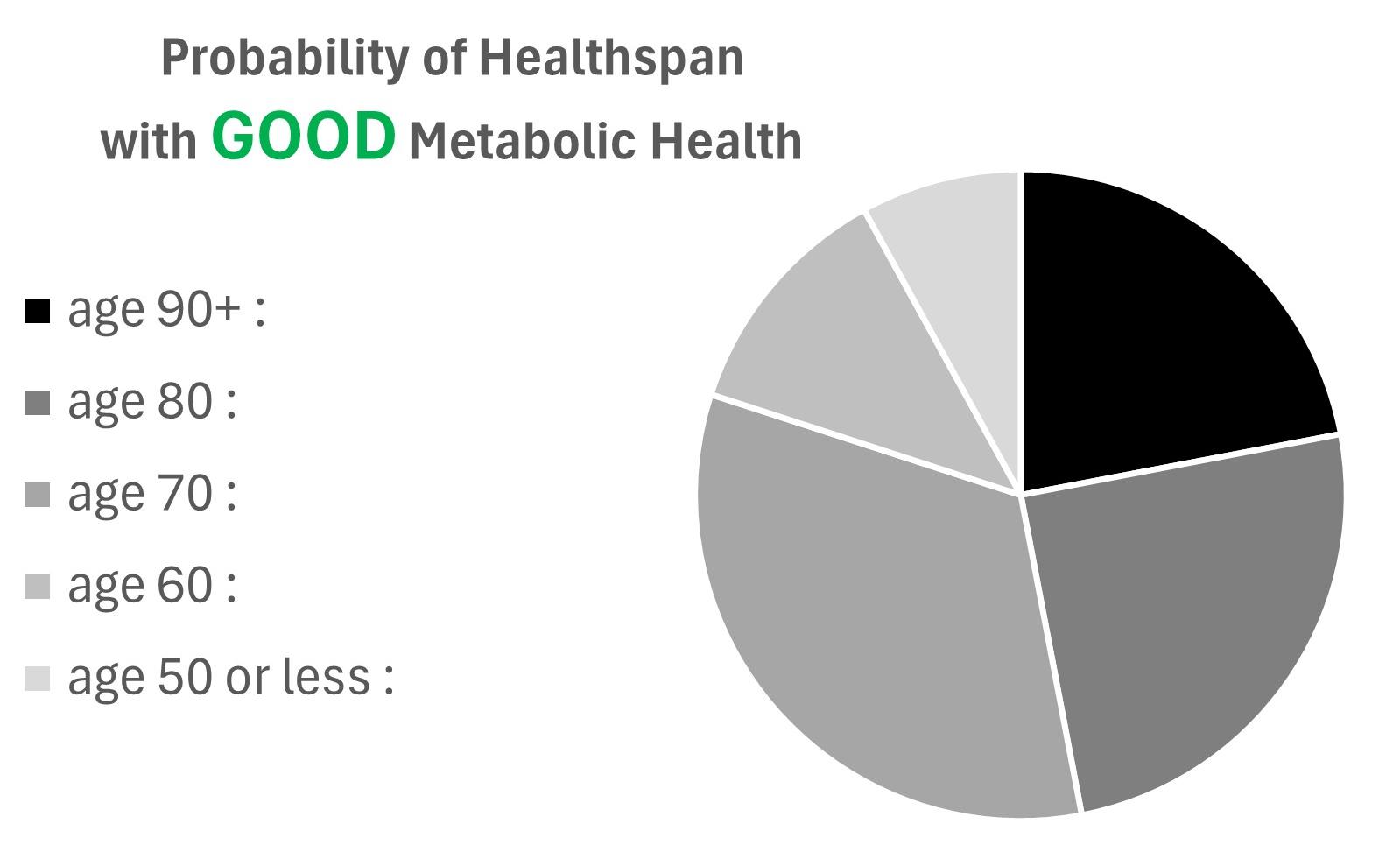
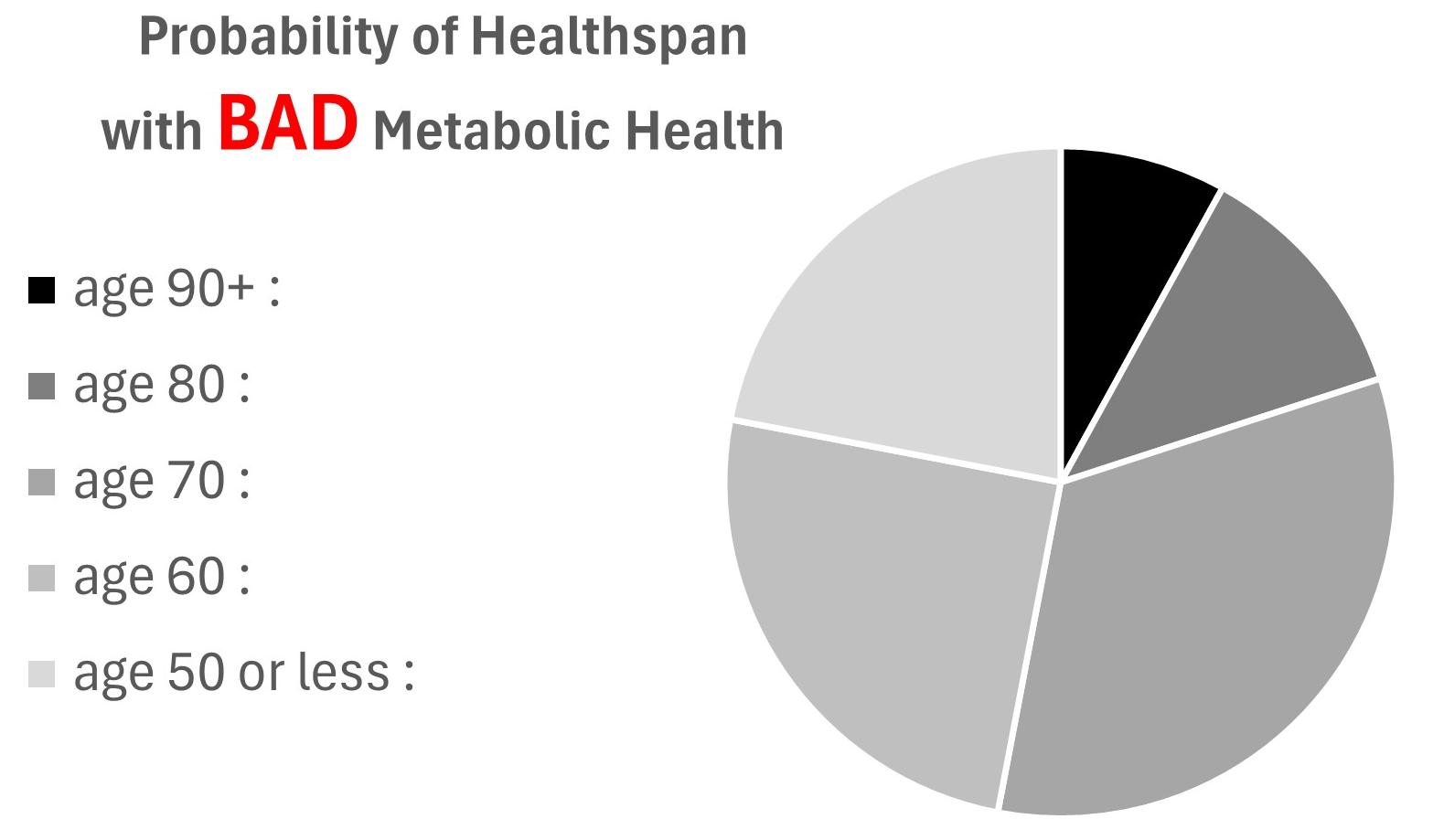
So, how much difference does it make? In terms of odds, the below pie charts are based on my research. Darker colors are associated with better outcomes. Spin the dial; where do you hope it falls?